
Jaw discomfort often starts subtly, clicking while eating, tension near the temples, or headaches that seem unrelated at first. Over time, these symptoms can affect sleep, concentration, speaking, and daily comfort. At Paul B. Gabriel DMD, PC, care for TMJ in Wexford, PA, begins with understanding how your jaw functions as a whole. Through detailed evaluation, we assess bite alignment, muscle strain, and joint movement to identify potential contributors to discomfort.
Many patients in Wexford and the surrounding North Hills communities seek care for persistent clenching, jaw stiffness, or headaches linked to stress and uneven bite pressure. Our approach to TMJ disorder treatment focuses on conservative, evidence-based care tailored to your symptoms and long-term oral health. Whether you are exploring TMJ pain relief solutions, searching for a dentist for jaw pain treatment, or looking into non-surgical TMJ pain relief options and dentist recommendations, treatment is guided by clinical experience, careful assessment, and ongoing support.
Identifies underlying causes of jaw discomfort
Reduces strain on jaw muscles and joints
Supports improved bite balance and function
Helps manage symptoms such as clicking or locking
Provides personalized temporomandibular joint disorder treatment plans
Encourages better sleep quality by addressing clenching
Can reduce tension-related headaches
Improves daily comfort when eating and speaking
Offers structured, non-invasive care options
Ongoing monitoring to maintain stability
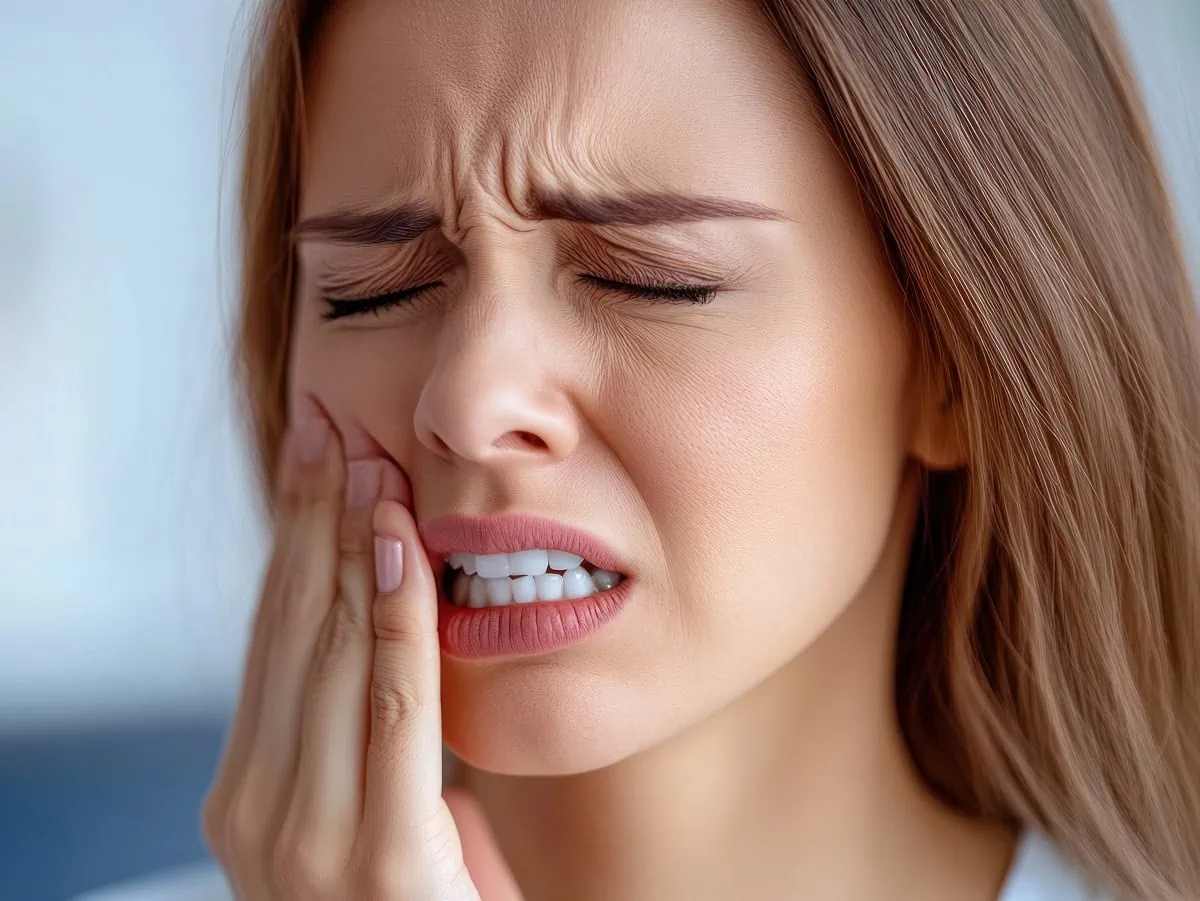
Jaw clicking, popping, or stiffness requiring treatment
Chronic jaw or facial discomfort
Headaches linked to muscle tension
Teeth grinding or clenching during sleep
Limited jaw movement or locking
Ear discomfort or pressure without infection
Difficulty chewing or uneven bite function
Jaw discomfort rarely has a single cause. Bite imbalance, stress-related tension, clenching, previous injuries, and joint wear can all contribute to symptoms over time. Without identifying those factors, discomfort often returns even after temporary relief.
Uneven pressure on the joint
Excessive force during sleep
Tightening of jaw muscles
Changes in cartilage or disc position
Trauma affecting joint movement
Inflammation within the joint
Designed to reduce strain on the joint and surrounding muscles, these devices are worn during sleep. They help manage clenching and support TMJ pain relief solutions without invasive procedures.
Targeted movements can improve mobility and reduce tension. This form of temporomandibular joint therapy f ocuses on restoring natural movement patterns over time.
Stress and muscle tension often play a role. Guided techniques, along with potential referrals for supportive care, can help reduce symptoms and support healing.
Jaw-related conditions require careful attention to detail because even small changes in muscle tension or bite alignment can significantly affect comfort over time. At Paul B. Gabriel DMD, PC, every evaluation begins with understanding how your jaw moves, where tension develops, and how pressure is distributed across your bite. This assessment-first approach allows us to create care plans based on your symptoms rather than relying on a one-size-fits-all solution.
Patients often come in searching for TMJ treatment for jaw pain and headaches after living with symptoms for months or even years. Others want to understand the best therapy for temporomandibular joint disorder or whether conservative care may help them avoid more invasive procedures. These conversations are approached with clarity and honesty, helping you understand both the condition itself and the reasoning behind each recommendation.
Our focus remains on long-term comfort, function, and stability. Through follow-up visits, appliance adjustments, and education on how to address jaw clicking and locking, we help patients throughout Wexford manage symptoms in a more sustainable and informed way.

It can result from bite issues, muscle tension, joint wear, or habits like clenching and grinding.
Persistent pain, clicking, or limited movement are signs that an evaluation may be helpful.
Many cases respond well to conservative care and structured therapy.
Treatment depends on the cause but may include appliances, exercises, or bite adjustments.
Some patients need ongoing management, while others improve with short-term care and habit changes.
Jaw discomfort can affect more than just your bite. It can influence how you sleep, eat, speak, and move through daily life. Addressing those symptoms thoughtfully often leads to more consistent, lasting improvement.
At Paul B. Gabriel DMD, PC, care for TMJ in Wexford, PA is guided by clinical evaluation, personalized treatment planning, and long-term support. If you are experiencing jaw tension, headaches, or difficulty with movement, our team is here to help you better understand your symptoms and explore care options that feel appropriate for your needs.
Experience a new level of quality dentistry: one where you can feel comfortable throughout your visit and confident in the results of your treatment.
Experience a new level of quality dentistry: one where you can feel comfortable throughout your visit and confident in the results of your treatment.